Films and Paper Strips to Magnetic Tape - Where Our Computing Mindset Began
Explorers of the Earth & Computing | By Laurent Clerc, CTO HPC and Cloud Solutions | Blog 1 | May 14, 2026
Before HPC Had a Name, We Were Already Exploring the Earth
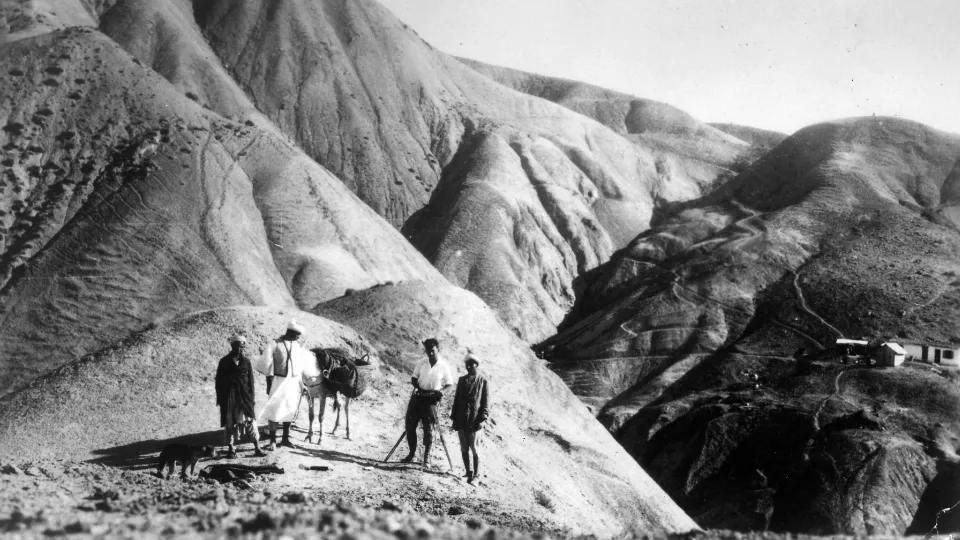
When people ask me where Viridien’s computing story began, I don’t start with Cray supercomputers or GPU clusters. I trace it back to the desert, with stories told to me by retiring old-timers when I joined the company — then called CGG — more than 35 years ago.
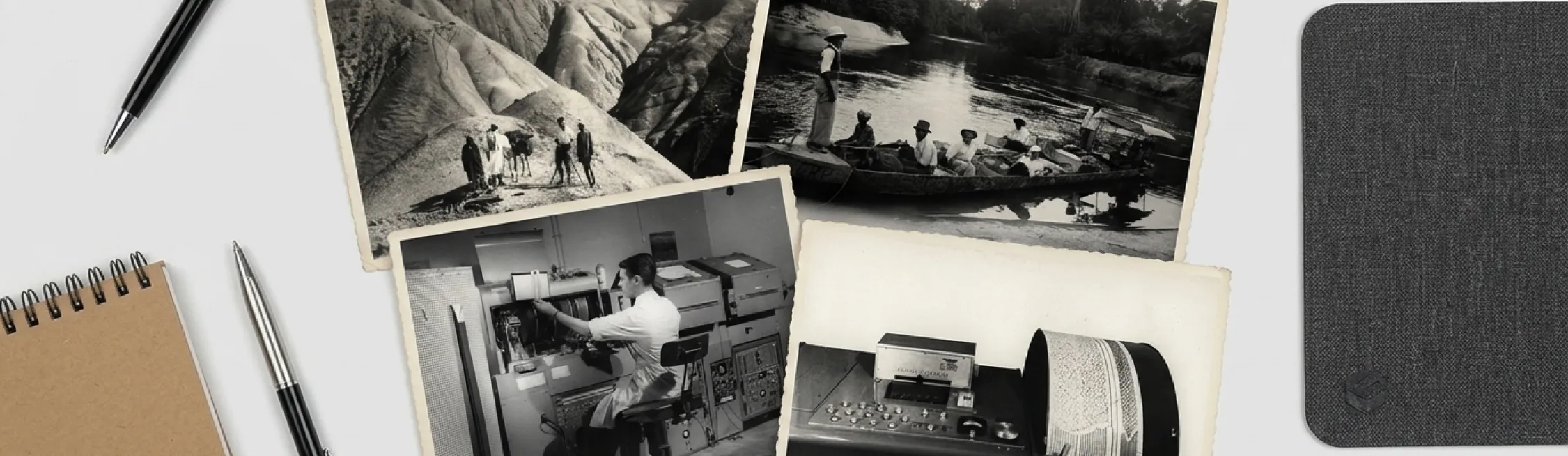
Picture this: the mid-1930s. Our crews loaded boats with everything they needed - equipment, food, spare parts, and disappeared into Africa or faraway lands for months. No phones. No emails. No way to call home. Once they crossed the waters, they were on their own for months, sometimes more than a year, tasked with capturing seismic echoes from deep beneath the Earth’s surface.
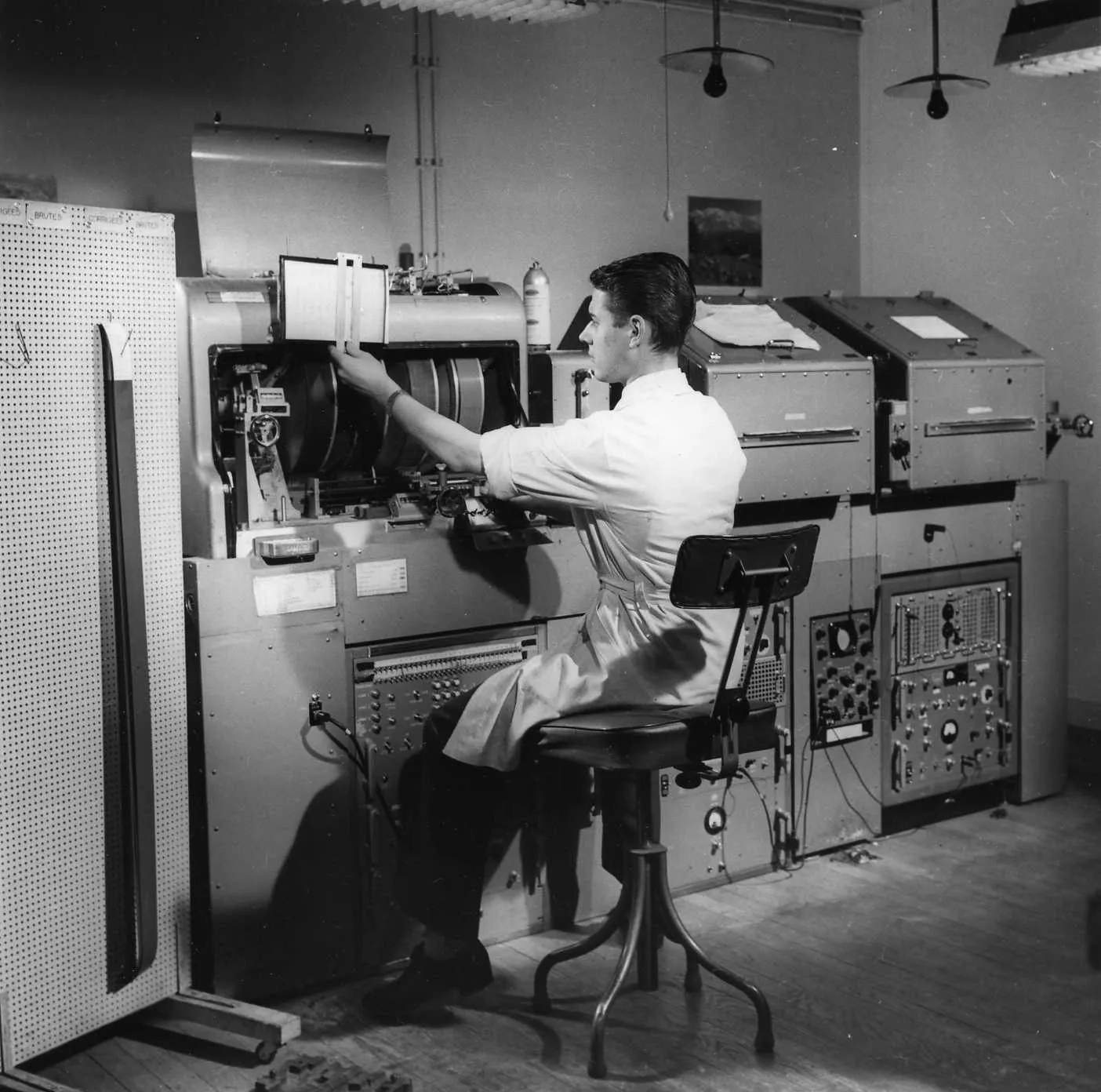
Back then, recording seismic data was primitive. At first, it was films, and paper strips moving under pens that scratched out waveforms. Later came magnetic tapes, thick and unwieldy, but revolutionary for their time. These tapes carried the raw signatures of the subsurface - signals that hinted at oil, gas, and other geological secrets. But here’s the catch: you couldn’t “see” the Earth from those tapes without processing. And processing, in those days, meant human eyes, rulers, and intuition.
The Birth of a Data-First Mindset
Even in that analogue era, one principle was clear: data drives insight. Our teams understood that capturing every possible reflection mattered, even if they didn’t yet have the tools to fully interpret it. The information was buried in noise and distorted by reflections and refractions; the energy of the signal had travelled far and deep and was but a fading echo. But we knew there was insight to be found. That mindset, record everything, then figure out how to make sense of it, became the DNA of Viridien.
Why does this matter? Because it explains why we embraced computing so early. By the 1950s, the geology we were working on had grown more complex. Simple geologies gave way to intricate structures, depth increased, data volume grew, and manual interpretation wasn’t enough. We needed machines - not just to store data, but to transform it into images of the Earth we could understand.
Life on the Edge of Technology and Geography
The deserts or jungle expeditions weren’t just technical challenges; they were human ones. Crews lived in isolation, moving heavy equipment across unforgiving terrains, improvising repairs when parts failed. When I think about those early pioneers, I see the same qualities that define successful HPC teams today: resilience, creativity, and a willingness to push boundaries.
One anecdote I love: when the boats left Marseille, they carried everything, from dynamite for seismic shots to the recording systems themselves. Once they reached Africa, they vanished from the world, maybe for a year. No supply chain. No spares. If something broke, you fixed it with what you had. That spirit of self-reliance shaped our approach to technology decades later, when we started building clusters and writing our own schedulers because nothing off-the-shelf could handle our workloads.
From Films and Paper to Tape to Compute
Magnetic tape was a game-changer. It allowed us to store more data, move it between field crews and processing centers, and begin the long journey toward automation. But tapes also introduced new complexity: how do you organize, catalogue, and process miles of recorded signals? We did not call it that at the time, but this was Big Data way before the concept even existed. These questions set the stage for the next leap - the arrival of computers in the 1950s and 60s.
We’ll cover that in the next post, but here’s the takeaway: our computing story didn’t start with silicon; it started with curiosity. The same curiosity that drove those early crews into deserts and jungles also drove us to deploy the first computers, clusters, and GPUs—often years before industry adoption—and to pioneer liquid‑cooled datacenters more than a decade ahead of others.
What We Learned
- Data-first thinking is timeless: Capture everything, valuable insight is everywhere even if you don’t yet know how you’ll use it.
- Resilience breeds innovation: When you have unusual problems, or can’t rely on external support, you invent solutions.
- Technology follows mindset: Our early obsession with data made HPC inevitable
What’s Next?
In my next post, we’ll explore the PerkinElmer years: when code met geology and computing entered the seismic workflow. These machines were very simple and excruciatingly slow by today’s standards, but they changed everything.

Got a question about our early field computing days?
Laurent Clerc,
CTO, HPC and Cloud Solutions