Meet Alexandra and her hard-rock life
Viridien Stories | Jun 1, 2026
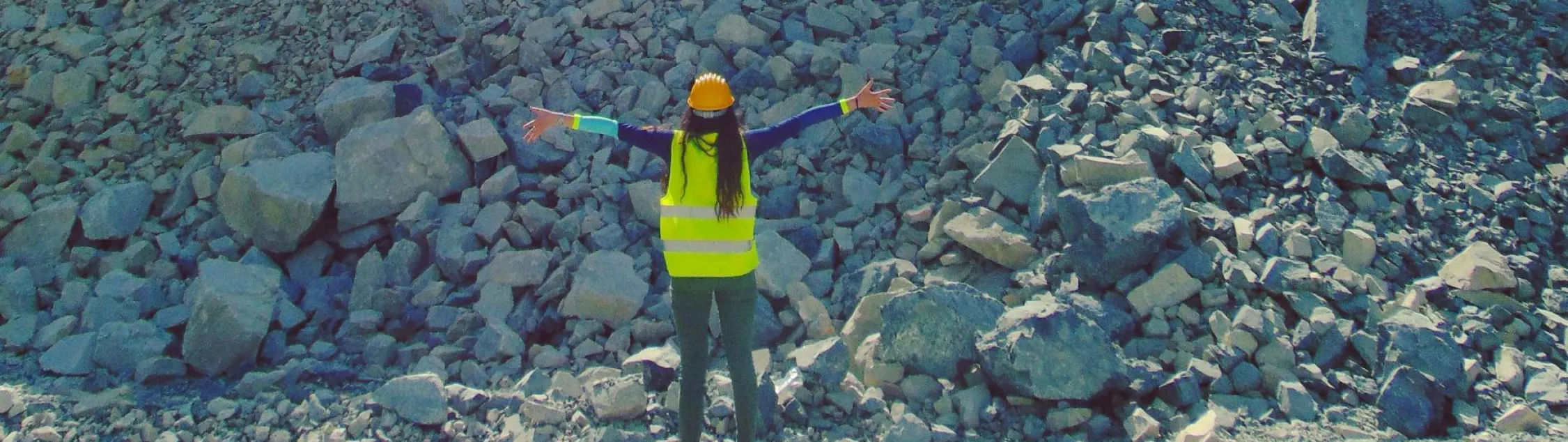
Alexandra’s story starts with a passion for natural history that led to an ever-expanding rock collection, working underground and, eventually, into today’s world of data-driven geoscience. Her field experience, scientific curiosity and collaborative mindset now fuel the innovations she contributes to Viridien’s Minerals & Mining team.
An interview with a geologist is not without a rock or two
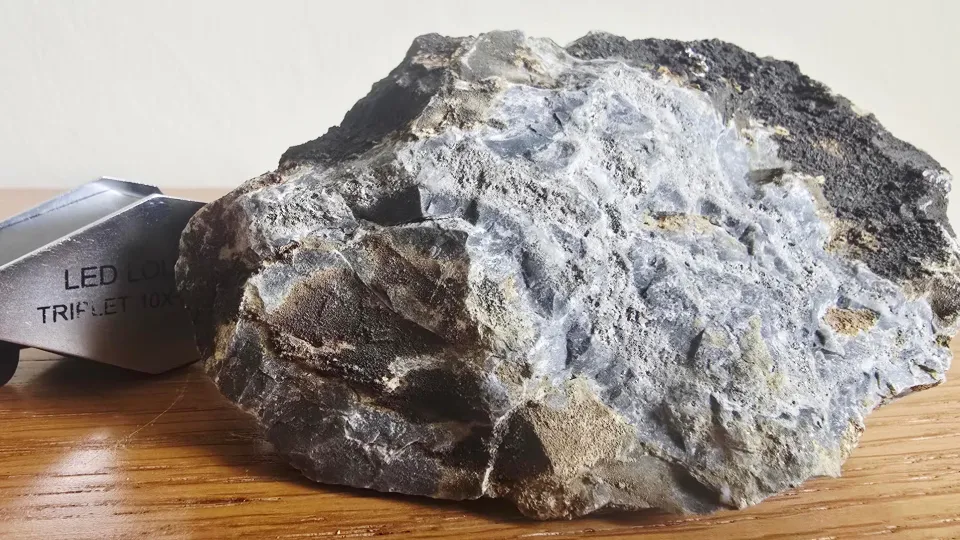
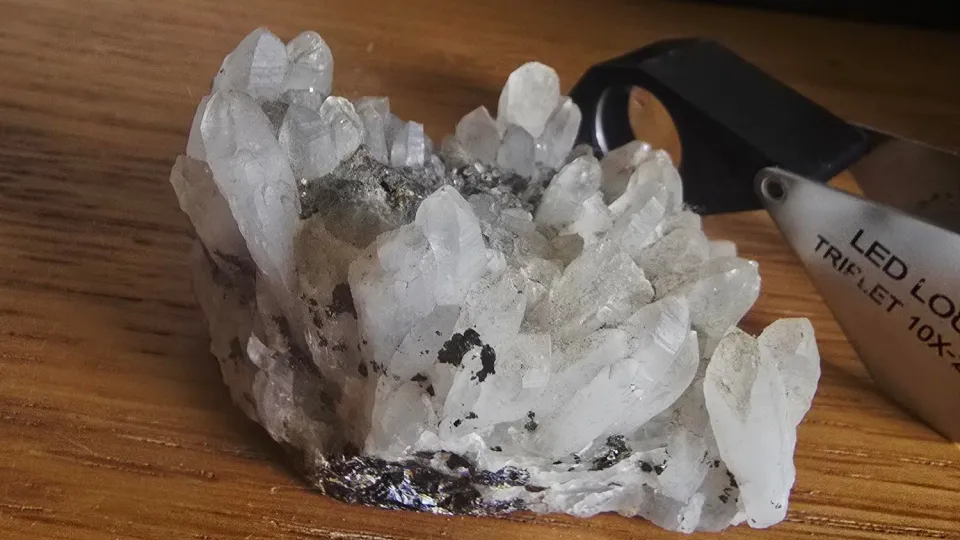
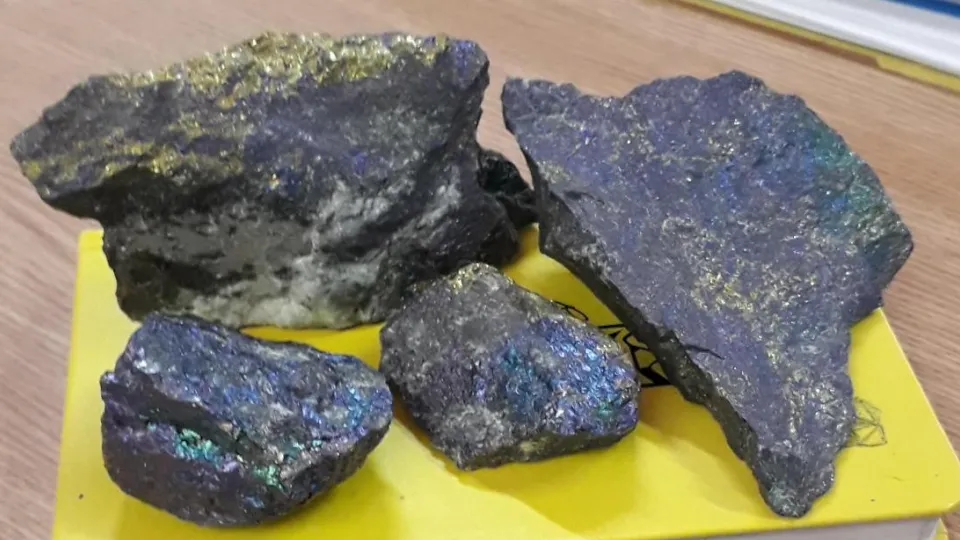
When Alexandra logs into the interview, the first thing visible behind her is a neat shelf of minerals she’s collected from across the world. Without prompting, she reaches back and pulls a few out to share. First, a quartz crystal cluster “sprinkled with some beautiful metallic minerals”, followed by copper‑bearing samples, another with Rare Earths from Kola Peninsula gifted by a professor, and another collected from Anglesey, not far from the Viridien Wales office, and last of all, her favorite: a perfectly formed stibnite specimen. “This is my most prized possession,” she says, holding it up to the camera.
As an Earth and Data science company, a large proportion of people at Viridien share an enthusiasm for rocks and can relate to Alexandra Scarlet, Project Exploration Geologist, when she says: “My passion is rocks. I am endlessly fascinated by what they record.” For Alexandra, they’re reminders of the places she has worked, the geological stories that have shaped her career, and, as she puts it, are “an archive of the past.”
What is essential in a rock for Alexandra? “Well, it obviously has to have some polymetallic minerals in it - particularly those that include copper, which is essential to today’s energy transition, so chalcopyrite, bornite, and chalcocite in association with other base metal sulfides such as sphalerite and galena”.
Scroll through the carousel below for a closer look at Alexandra’s collection and read on to learn where these rocks have led her to today.
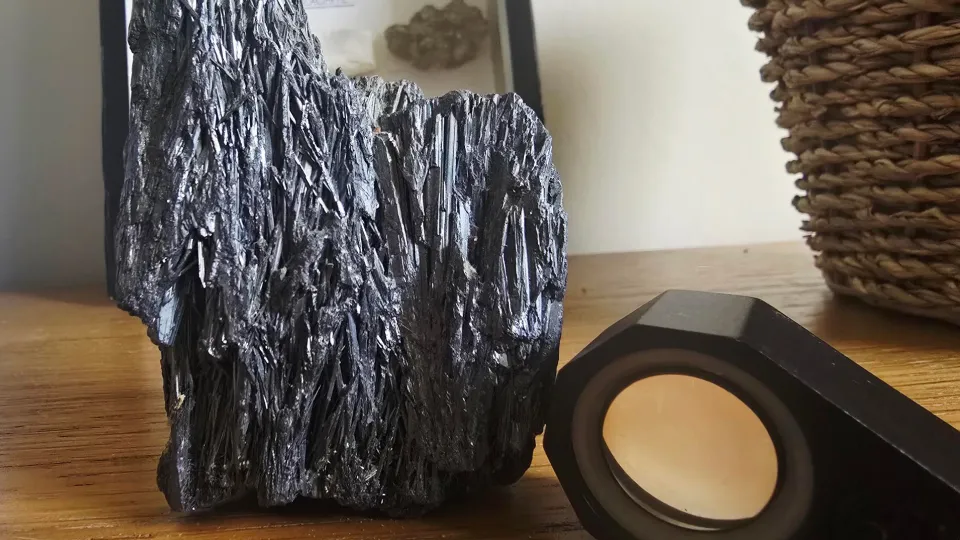
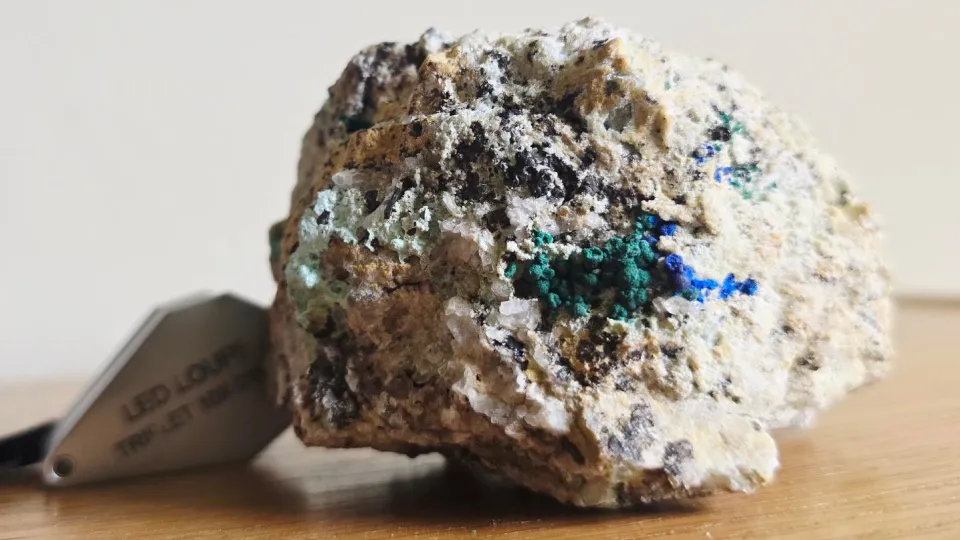
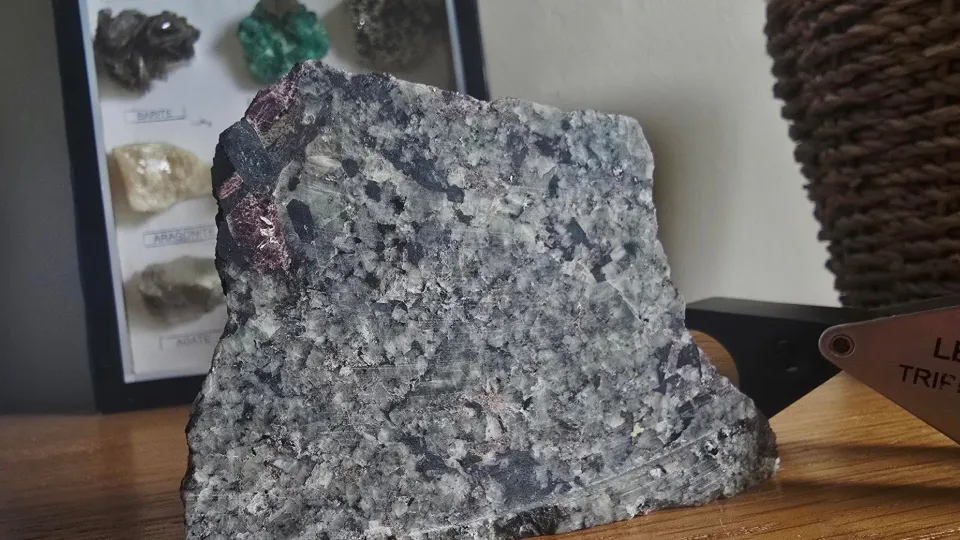
From mastodons to minerals
Alexandra’s path into geology began with a love of science and a childhood spent watching nature documentaries. She originally intended to become a paleontologist, even completing her bachelor’s thesis on mastodons. But practical realities pushed her toward economic geology, where she realized minerals could offer a promising, curiosity‑driven career.
Her involvement in the Society of Economic Geologists’ student chapter exposed her to international conferences, field trips and workshops. These experiences broadened her geological worldview and prepared her for the biggest leap of her early career: working in a mine.
What is it like working in an underground mine?
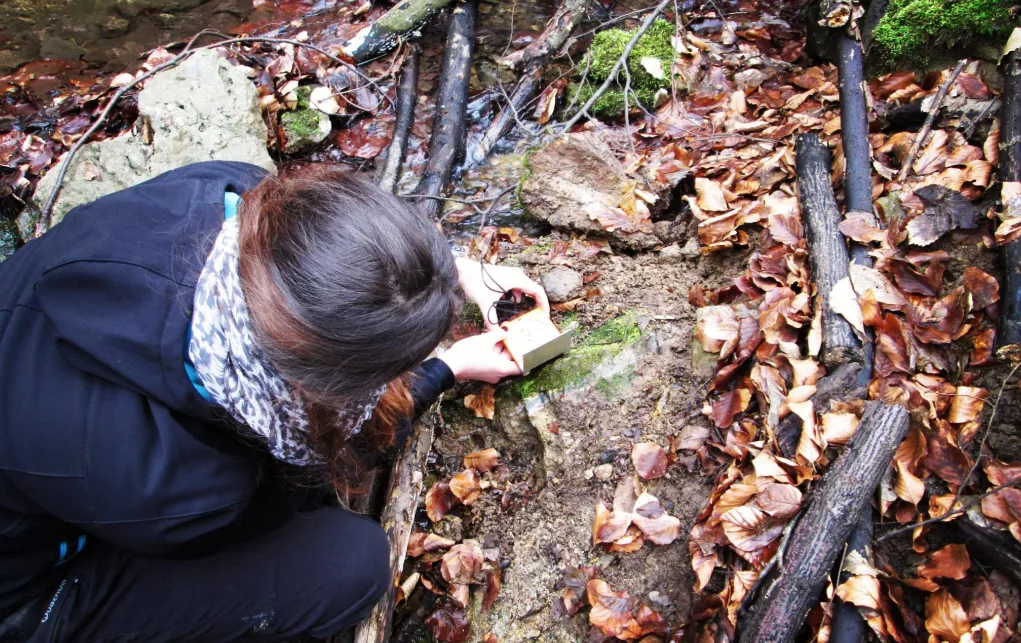
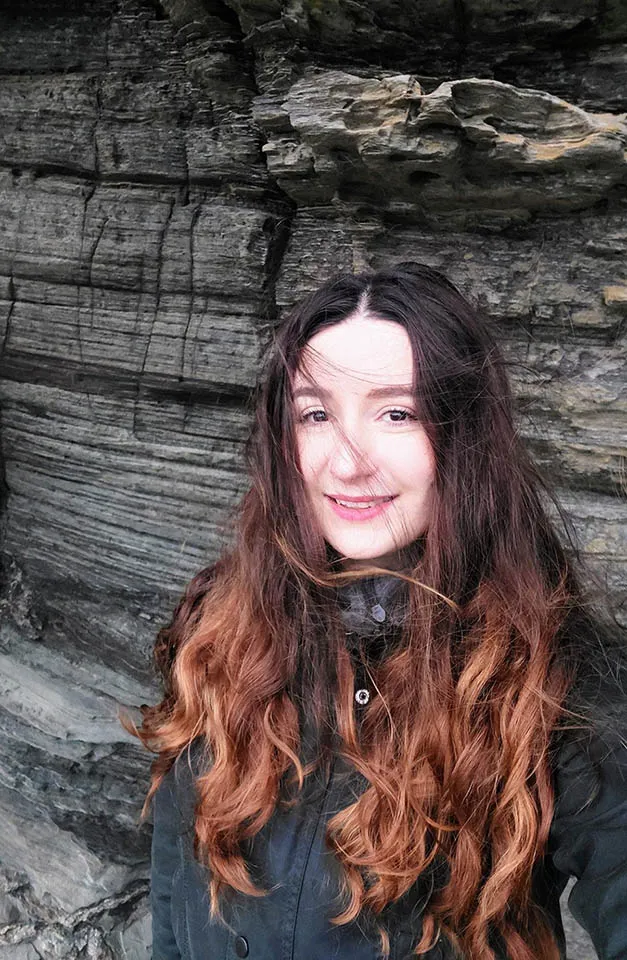
Her first professional role was as a mine geologist in Romania. She recalls waking up at 5 am, reaching the site before 7 am and spending long days guiding mining operations, estimating copper grades on the fly, where she was leading grade-control tasks, and digitally recording all geological and geochemical findings at the end of each shift. She jokes that geologists onsite were like “pXRFs” (portable X-ray fluorescence analyzers which measure elemental compositions in a given sample), but with a degree of human error. These instruments are used at mine sites for grade-control purposes that support on-site mining operations.
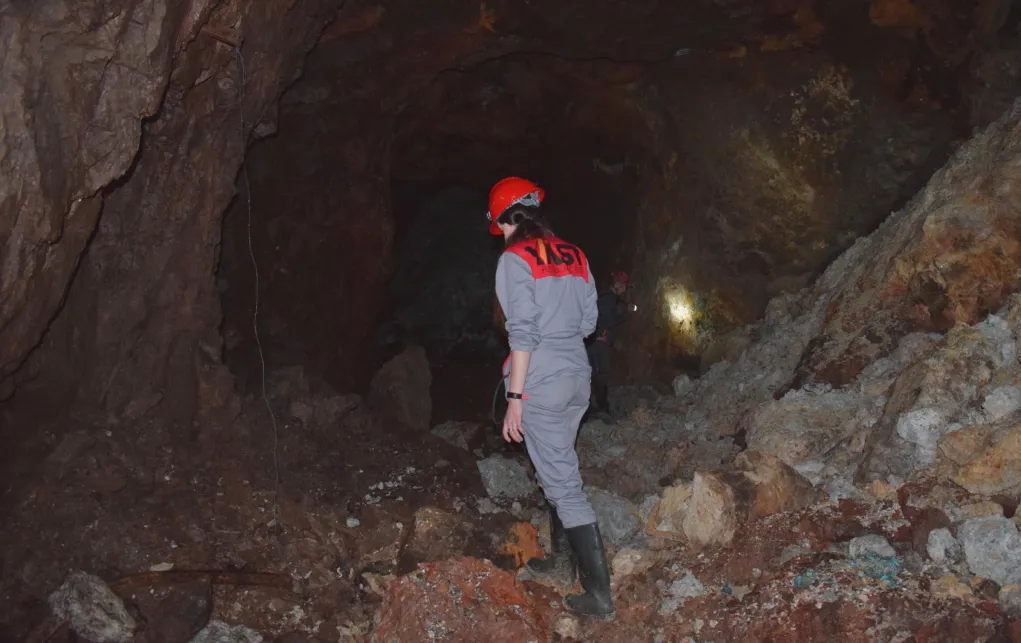
She reflects how friendly everyone was on site, “You felt like you were part of a living organism - we all had the same goal, which was to make it work harmoniously.” The camaraderie was genuine, yet as the only woman on site most times, she encountered the full spectrum of what that meant in a traditionally male environment, some of it warm, some of it less so, and got on with the work regardless.
Then came the moment that changed everything. While sampling alone one day, a boulder landed right beside her. “If I had been in an even slightly different position, I could have been hurt,” she says calmly, though the gravity of the moment is evident. That near-miss was the catalyst – prompting her to step away from mining fieldwork and move toward something new. A long-held drive to work with emerging technologies and broaden her technical expertise drew her to Viridien, where she saw a path to do meaningful geoscience without putting herself in harm's way.
A role at Viridien encouraged innovation and integration
Joining Viridien was a significant shift. Coming from the strict environment of a mine, she found herself stepping into a culture that actively encouraged independent thinking: “In mining, you follow well-defined protocols and procedures. Joining Viridien opened up a different kind of challenge: being asked to think freely, propose ideas, and innovate”.
It took a couple of months to “feel right at home”, and once she did, she found herself energized by the collaboration and openness she encountered across interdisciplinary teams, from Satellite Mapping to Data Hub and Subsurface Imaging.
Even as her work now leans heavily into machine learning and automation, evolving beyond direct interaction with physical rocks, Alexandra remains closely tied to hands-on geology, using her expertise to support the local geological community. She volunteers as a geologist with the RSPB (Royal Society for the Protection of Birds) in Anglesey, is part of the AAPG Young Professionals committee, and still lights up when she talks about rocks –- “rocks keep me grounded, there is an immenseness to them that puts everything else in perspective”, she says.
How a familiar underground experience in mining led to a geoscience-driven machine vision system
Alexandra’s experience working underground highlights how practical, safety‑driven insight from people who’ve worked underground can subtly and meaningfully shape innovation.
Her experience of a boulder falling close to her during routine sampling highlights a risk many in the industry recognize, one that reflects the wider safety challenges geologists face across mine sites. It reinforces the need for tools that could provide clearer geological information in hazardous environments. This shared experience has led Viridien to develop Geolucent, a hyperspectral imaging system for mine‑site safety and geological insight. Using controlled laser illumination, remote operation and standoff scanning, it reduces the need for personnel to approach unstable areas while delivering fast, consistent geological information.
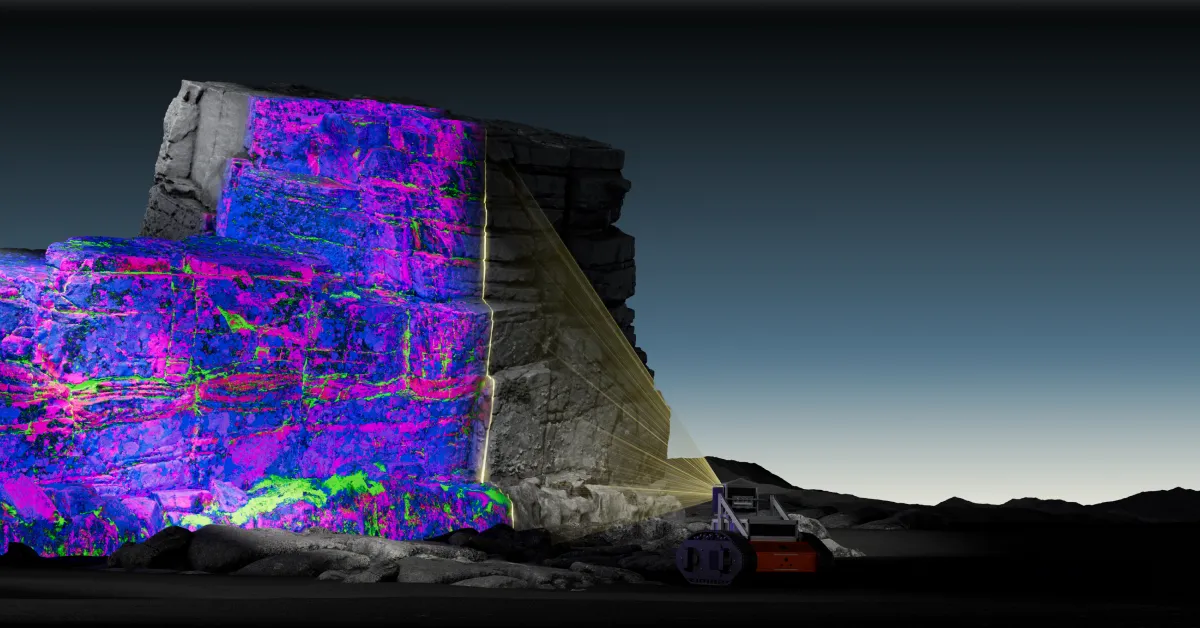
Working in Viridien’s Minerals & Mining team, Alexandra now contributes her underground understanding to a community focused on improving geological clarity and supporting safer operational decisions across the industry.
Advice for fellow geology enthusiasts
Today, whether she’s troubleshooting a machine‑learning model or recalling the texture of ore veins deep underground, she remains grounded in the mindset that brought her here: follow the rocks, follow the questions and build tools that make the work safer for those still underground.
When asked what she’d tell early‑career geologists, Alexandra emphasizes openness and curiosity: “Be open to opportunities, never say no outright as you never know what you’ll learn”. She also carries forward the advice of her former professor: “Being a geologist demands a particular mindset - one of optimism, passion, and a sustained curiosity for the unknown”.